
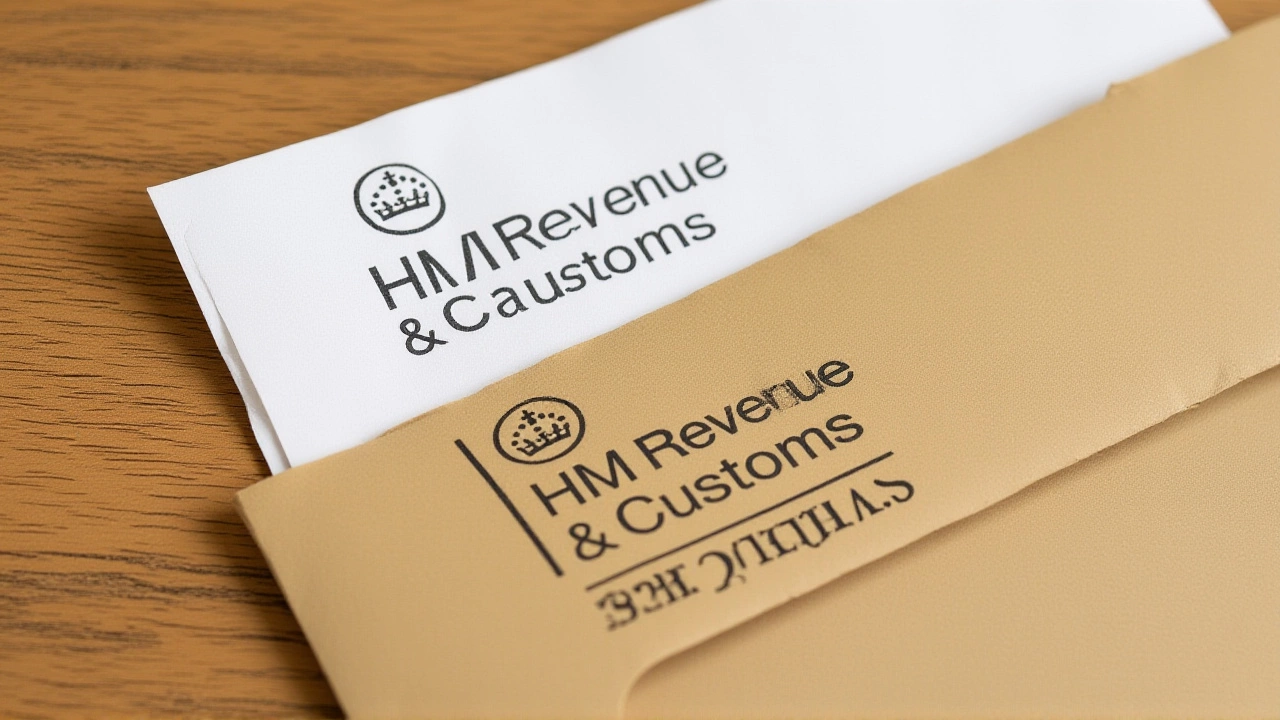
It’s the letter most people toss into the recycling bin without a second thought. But for millions of HM Revenue and Customs (HMRC) recipients in the UK, that envelope might just be worth tens of thousands of pounds. The twist? It’s not a scam, despite looking suspiciously like one.
If you’re approaching retirement age or already collecting your UK State Pension, ignoring official correspondence from the tax authority could cost you dearly. Here’s why that seemingly mundane letter deserves a closer look—and how it connects to your financial future.
The Hidden Value in Your Postbox
Let’s cut to the chase. Many retirees assume their pension is set in stone once they start receiving payments. But wait—there’s a catch. If you have gaps in your National Insurance record, you might be leaving money on the table. HMRC occasionally sends letters highlighting these gaps, offering a chance to pay voluntary contributions to fill them.
Why does this matter? Because every missing year can shave hundreds—or even thousands—off your annual pension income. For context, the full new State Pension rate for the 2026–27 financial year is £241.30 per week. That adds up to roughly £12,547 annually. Now imagine losing out on 10% or more because of overlooked contribution years. Suddenly, that “junk mail” looks a lot less junk-like.
Here’s the thing: these letters aren’t scams. They’re legitimate notifications from the government. However, with phishing attempts soaring in recent years, skepticism is understandable. Still, dismissing an HMRC letter outright could mean forfeiting valuable benefits.
How Gaps Happen—and Why They Matter
Gaps in your National Insurance record often occur during periods when you weren’t working but also didn’t claim certain benefits. Think back to times when you were unemployed, studying, caring for family members, or living abroad. These stretches might seem insignificant at the time, but they leave holes in your contribution history.
To qualify for any portion of the new State Pension, you need at least 10 qualifying years of National Insurance contributions or credits. To receive the full amount, you’ll need 35 years. Between those two thresholds lies a sliding scale where each additional year boosts your payout proportionally.
For example, if someone has only 20 qualifying years instead of the required 35, they’d receive about 57% of the full pension amount. Over decades, that shortfall compounds significantly. According to Age UK, filling even a few gaps through voluntary contributions can make a noticeable difference in retirement income.
What Experts Are Saying
Financial advisors warn against brushing off HMRC communications lightly. “People get so used to ignoring unsolicited mail these days,” says Sarah Thompson, a pensions specialist based in London. “But when it comes from HMRC, there’s usually good reason to pay attention.”
Thompson points out that many individuals don’t realize how much their pension depends on consistent contributions throughout their working lives. “A single missed year might not seem like a big deal,” she explains. “But over 30+ years, those small omissions add up to substantial losses.”
The Low Incomes Tax Reform Group (LITRG) echoes this sentiment, emphasizing that understanding your entitlement requires proactive engagement with both HMRC and the Department for Work and Pensions (DWP). Their guidance notes that calculating taxable state pension amounts involves checking weekly figures provided by DWP letters before multiplying them by the number of weeks entitled within a tax year.
Steps to Take If You Receive Such a Letter
So what should you do if you spot an HMRC letter mentioning potential gaps? First, don’t panic—it’s likely nothing sinister. Second, verify its authenticity. Legitimate HMRC correspondence will never ask for sensitive information via email or phone calls initiated by unknown numbers.
Next, review the details carefully. Does the letter specify which years are affected? How much would it cost to fill those gaps? What impact would paying voluntary contributions have on your eventual pension?
If anything seems unclear, reach out directly to HMRC using contact details listed on their official website. Alternatively, consult independent advice services like Age UK’s free helpline, available 365 days a year from 8:00 AM to 7:00 PM.
- Check eligibility: Confirm whether you meet criteria for making voluntary contributions.
- Calculate costs vs. benefits: Weigh upfront expenses against long-term gains.
- Act promptly: Deadlines exist for addressing identified gaps; delays could limit options.
Broader Implications for Retirees
This issue underscores a larger challenge facing modern retirees: navigating complex systems designed to protect them while ensuring fairness across generations. As life expectancy increases and workforce dynamics shift, maintaining adequate retirement savings becomes increasingly critical.
Policymakers face tough decisions too. Should the triple lock mechanism protecting pension values continue indefinitely? Or should alternative models, such as linking payouts to average earnings, take precedence? Debates rage among economists and politicians alike, yet ordinary citizens bear the brunt of uncertainty.
In the meantime, staying informed remains paramount. Whether dealing with HMRC letters, updating personal records online, or seeking professional counsel, taking action now pays dividends later.

Looking Ahead
As we move further into the 2020s, expect continued scrutiny around pension policies and administrative practices. With technological advancements enabling smoother data exchanges between agencies, hopefully, fewer opportunities for confusion will arise.
Until then, vigilance serves everyone well. Keep an eye on incoming mail, question assumptions about fixed outcomes, and remember: sometimes, the smallest gestures yield the biggest rewards.
Frequently Asked Questions
Who receives HMRC letters about National Insurance gaps?
Individuals nearing or currently receiving their state pension may receive letters notifying them of incomplete contribution histories. Typically, this affects those who experienced breaks in employment, caregiving roles, education pursuits, or overseas residence during key working years.
Can I really gain thousands of pounds by acting on these letters?
Yes, depending on the extent of missing contributions. Each additional qualifying year enhances your annual pension payment proportionally. For instance, bridging five gap years could boost lifetime earnings by several thousand pounds, assuming average rates apply.
Are all HMRC letters trustworthy?
Legitimate HMRC correspondence follows strict protocols, including secure delivery methods and verifiable sender information. Always cross-check received documents against guidelines published on gov.uk to confirm legitimacy before responding.
What happens if I ignore the letter entirely?
Ignoring the notification means accepting reduced pension entitlements based on existing records. Once deadlines pass, rectifying past deficiencies grows difficult or impossible, potentially resulting in permanent financial shortfalls during retirement.
Where can I find help interpreting my situation?
Resources include contacting HMRC directly through verified channels, consulting organizations like Age UK for tailored advice, or engaging certified financial planners specializing in retirement planning. Free helplines operate nationwide, offering accessible support regardless of location.